SCADA Systems in the Permian Basin: What Operators Should Look For
- 5 days ago
- 3 min read

The Permian Basin is one of the most productive oil and gas regions in North America, but operating across expansive, remote assets comes with its own set of challenges. From monitoring production data and responding to alarms to minimizing downtime and reducing unnecessary field visits, operators need reliable access to critical information at all times.
That's where SCADA (Supervisory Control and Data Acquisition) systems come in.
A well-designed SCADA system provides operators with real-time visibility into field operations, allowing them to monitor equipment, collect operational data, respond to issues quickly, and make informed decisions from virtually anywhere. As oil and gas companies continue to invest in digital transformation, choosing the right SCADA solution has become an important part of improving efficiency, safety, and production across the Permian Basin.
So, what should operators look for when evaluating a SCADA system?
One of the primary advantages of a SCADA system is its ability to provide real-time visibility across multiple sites.
Instead of relying on routine field visits to identify problems, operators can monitor production, tank levels, pressures, temperatures, burner status, flow rates, and other critical operating conditions from a centralized platform.
Real-time monitoring allows issues to be identified as they occur rather than hours or even days later. This enables faster decision-making, reduces production interruptions, and helps operations teams stay connected to assets across large geographic areas like the Permian Basin.
Receiving alarms is only valuable if they help operators prioritize the issues that matter most.
An effective SCADA system should provide configurable alarm management that notifies personnel when operating conditions move outside acceptable parameters. Whether it's abnormal pressures, equipment failures, communication losses, or process upsets, timely alerts allow operators to respond before minor issues become costly problems.
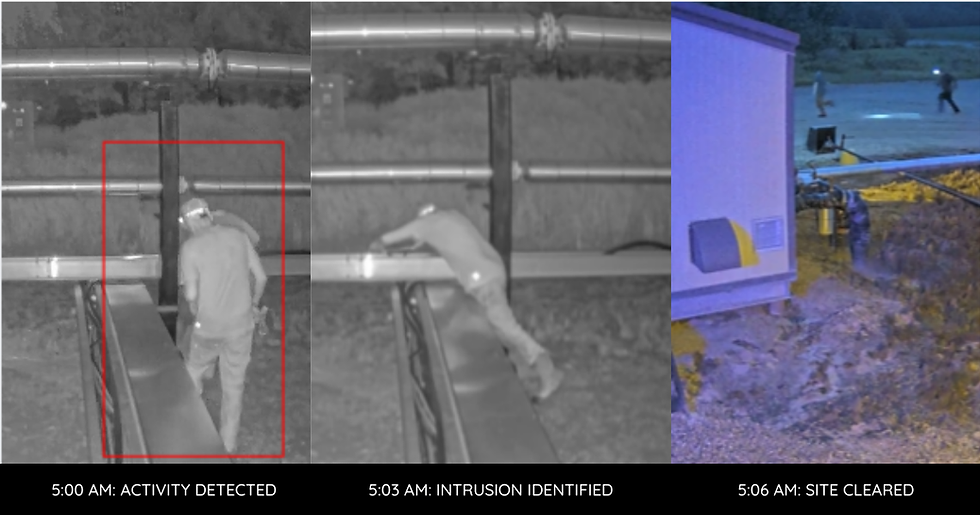
For operations that require an additional layer of oversight, pairing SCADA with a 24/7 manned Control Room can further enhance response capabilities. Rather than relying solely on automated notifications, trained personnel can review alerts, verify site activity, and follow site-specific response protocols before escalating an issue.
Advanced alarm management also helps reduce alarm fatigue by ensuring notifications are meaningful, actionable, and delivered to the right people at the right time.
Modern oil and gas operations generate significant amounts of operational data every day.
A quality SCADA system transforms that data into actionable insights by giving operators a clear picture of how their facilities are performing.
By identifying production trends, equipment inefficiencies, and recurring operational issues, operators can make informed decisions that improve uptime, reduce unnecessary maintenance, and maximize production.
Rather than simply reacting to problems, SCADA enables a more proactive approach to field management.
Data is one of the most valuable resources an operation has, but only if it's accurate and accessible.
A good SCADA system continuously collects operational data from field equipment, creating a centralized record that operators can use for reporting, troubleshooting, compliance, and long-term planning.
Historical data also allows operations teams to compare performance over time, identify recurring issues, and evaluate the effectiveness of maintenance or process changes.
Having reliable information readily available supports smarter operational decisions and provides greater confidence when planning future improvements.
Choosing the Right SCADA Partner
While every operation has unique requirements, the best SCADA solutions share several key characteristics:
Real-time monitoring across all critical assets
Intelligent alarm management
Reliable data collection and reporting
Secure, dependable communications
Scalable architecture that grows with your operation
Easy-to-use dashboards that simplify day-to-day monitoring
Selecting a provider with experience in oil and gas operations can also help ensure the system is configured to support the realities of field production rather than requiring operators to adapt their workflows to the software.
Supporting Operators Across the Permian Basin
As operators continue to modernize their operations, SCADA systems have become an essential tool for improving efficiency, increasing visibility, and supporting informed decision-making.
Noralta helps oil and gas producers implement automation and SCADA solutions that provide real-time operational insight, centralized monitoring, reliable communications, and 24/7 support through our manned Control Room, where trained personnel monitor alarms, verify site activity, and follow customized response protocols. With offices supporting customers throughout the Permian Basin, including Midland, Texas, and Hobbs, New Mexico, as well as locations in Mustang, Oklahoma, our team understands the unique challenges operators face throughout the region.
Whether you're expanding an existing automation system or implementing SCADA for the first time, investing in the right solution can help improve operational reliability today while preparing your facilities for the future.


Comments